A Comprehensive Overview of the Background and Evolution of Metal Casting Practices
Steel casting has played a crucial duty in forming human people. Its beginnings map back to old craftsmens who crafted devices and ornaments from molten metals. Gradually, methods developed alongside social influences, resulting in significant innovations. The Industrial Revolution noted a transforming factor, presenting mechanization and new approaches. Today, the market is checking out cutting-edge technologies and sustainable practices. Recognizing this development reveals not only the creativity yet additionally the effect of steel spreading on contemporary society.
The Origins of Metal Spreading: Ancient Methods and Products
The practice of metal casting traces its roots to ancient people, where very early craftsmens used the buildings of molten steels to create tools and ornamental products. These craftsmens primarily made use of copper and gold due to their pliability and lower melting points, using methods such as sand casting and lost-wax casting. Sand spreading involved developing a mold from sand, while lost-wax casting permitted for intricate styles by creating a wax model that melted away throughout the process. The capability to cast steels revolutionized manufacturing, making it possible for the development of even more long lasting and reliable tools contrasted to their stone predecessors. As understanding spread, numerous societies adjusted these techniques, adding to the advancement of metalworking. The introduction of steel casting marked a substantial turning point in human background, promoting improvements in warfare, artistry, and agriculture, ultimately laying the groundwork for future advancements in metallurgy and manufacturing procedures.
The Advancement of Bronze and Iron Spreading
Improvements in steel casting techniques resulted in the advancement of bronze and iron spreading, marking a significant evolution in product usage and technology. Bronze, an alloy of copper and tin, arised around 3500 BCE, offering enhanced toughness and resistance compared to its precursors. This development permitted artisans to produce elaborate tools, weapons, and attractive products, which added to the surge of complex cultures.
Iron casting complied with, gaining prominence around 1200 BCE. The intro of cast iron, generated by melting iron and pouring it into molds, reinvented various industries. This material was more powerful and more abundant than bronze, assisting in automation of devices and weaponry. The ability to cast iron enabled the building of larger, more durable frameworks, ultimately changing both military and farming techniques. Jointly, the developments in bronze and iron spreading not just innovative technological abilities yet additionally laid the foundation for future metallurgical developments.
The Influence of Society and Art on Casting Practices
Social importance plays a substantial role in metal spreading, influencing the layout and feature of cast objects across different societies. Artistic techniques and styles have actually evolved, mirroring the values and aesthetics of numerous societies throughout history. This crossway of culture and virtuosity not just shapes the physical attributes of actors things however also imbues them with much deeper definition and importance.
Cultural Symbolism in Casting
Throughout history, steel casting has actually functioned as a canvas for cultural expression, mirroring the worths, ideas, and appearances of varied cultures. Each culture imbues its actors steel things with details significance, frequently sharing motifs associated to power, identity, and spirituality. For example, ancient worlds utilized casting techniques to create divine beings and ceremonial artefacts, personifying their religious sentences. On the other hand, middle ages European craftsmens generated elaborate metalwork that symbolized standing and wealth. Additionally, indigenous groups used metal casting to forge things that represented their link to nature and community. Because of this, the steel casting process goes beyond mere performance, becoming a vital medium with which cultural stories and heritage are maintained and celebrated throughout generations.
Imaginative Techniques and Styles
Artistry in steel spreading has actually progressed substantially gradually, shaped by the cultural contexts and imaginative movements of numerous societies. From ancient human beings to modern art types, strategies have actually differed commonly, affected by spiritual ideas, social frameworks, and technological innovations. The detailed styles of bronze sculptures in ancient Greece reflected not only technical skill however likewise thoughtful perfects of elegance. In contrast, African steel spreading typically highlighted functional things, merging creativity with utility. The increase of contemporary art introduced abstract kinds, allowing musicians to discover brand-new materials and cutting-edge spreading techniques. Today, musicians remain to draw upon historical designs while incorporating modern influences, resulting in varied expressions that honor tradition while pressing the borders of creativity in steel spreading.
The Industrial Revolution: Changing Steel Casting
The Industrial Revolution marked a critical change in steel casting techniques via considerable technologies in casting strategies. The surge of mechanization enabled faster and more effective production processes, significantly increasing manufacturing quantity. This makeover not just boosted the abilities of steel spreading however likewise established the phase for modern commercial techniques.
Developments in Casting Strategies
Developments throughout the Industrial Revolution drastically transformed metal casting methods, leading the way for higher efficiency and accuracy. Secret advancements included the introduction of the cupola heating system, which permitted for continual melting of iron, considerably enhancing manufacturing prices. The development of sand casting strategies improved the top quality and consistency of cast products, while making use of patterns made from steel additionally boosted precision. In addition, the unification of improved additives and alloys resulted in stronger and extra sturdy spreadings. The change from artisanal methods to a lot more methodical techniques marked a considerable adjustment, making it possible for manufacturers to meet the rising needs of automation. These developments not just optimized procedures yet likewise expanded the applications of metal casting across various industries.
Surge of Automation
As mechanization took hold during the Industrial Change, steel casting experienced a profound makeover that reinvented manufacturing methods. The introduction of heavy steam power and mechanized devices structured processes, permitting for a lot more constant and efficient manufacturing. Traditional handcrafting strategies paved the way to machine-driven procedures, which decreased labor costs and minimized errors. Innovations such as the molding machine and automatic putting systems greatly improved the rate and precision of spreading. Additionally, making use of standardized molds assisted in an uniform output, more improving the quality of actors items (Aluminum Foundry). This change not only increased the ability for large production yet likewise prepared for contemporary manufacturing methods, positioning mechanization as a cornerstone of the evolving metal casting sector
Influence On Production Quantity
Industrial innovations during the Industrial Change substantially enhanced production quantity in metal casting. The intro of vapor power and mechanized processes enabled faster and a lot more reliable melting and molding of steels. Manufacturing facilities started embracing production line methods, which structured manufacturing and minimized labor prices. Advancements in heater style and making use of iron and steel boosted the quality and sturdiness of cast items, providing to expanding commercial demands. Additionally, the increase of transportation networks facilitated the distribution of cast products, even more promoting production. These advancements not just broadened the range of steel spreading procedures but also diversified the array of applications, placing steel spreading as a vital element of industrial development throughout this transformative period.
Modern Spreading Methods: From Sand to Financial investment
While traditional methods click over here now of steel casting have actually offered the sector for centuries, contemporary casting strategies have actually developed significantly, offering improved accuracy and performance. Contemporary approaches include sand spreading, investment spreading, pass away spreading, and shed foam casting, each customized to details applications and materials.
Sand spreading remains popular due to its convenience and cost-effectiveness, appropriate for massive production. Financial investment casting, known for its capacity to generate elaborate layouts, uses a wax pattern covered with ceramic, enabling for high dimensional accuracy. Pass away casting, typically utilized for non-ferrous metals, gives like it quick production prices and superior surface coatings, making it ideal for mass manufacturing.
Lost foam spreading offers an one-of-a-kind method by making use of a foam pattern that vaporizes during the pouring process, enabling complicated shapes without the requirement for extra cores. Jointly, these contemporary casting techniques mirror the industry's dedication to boosting quality, minimizing waste, and improving production abilities.
Developments in Products and Technologies
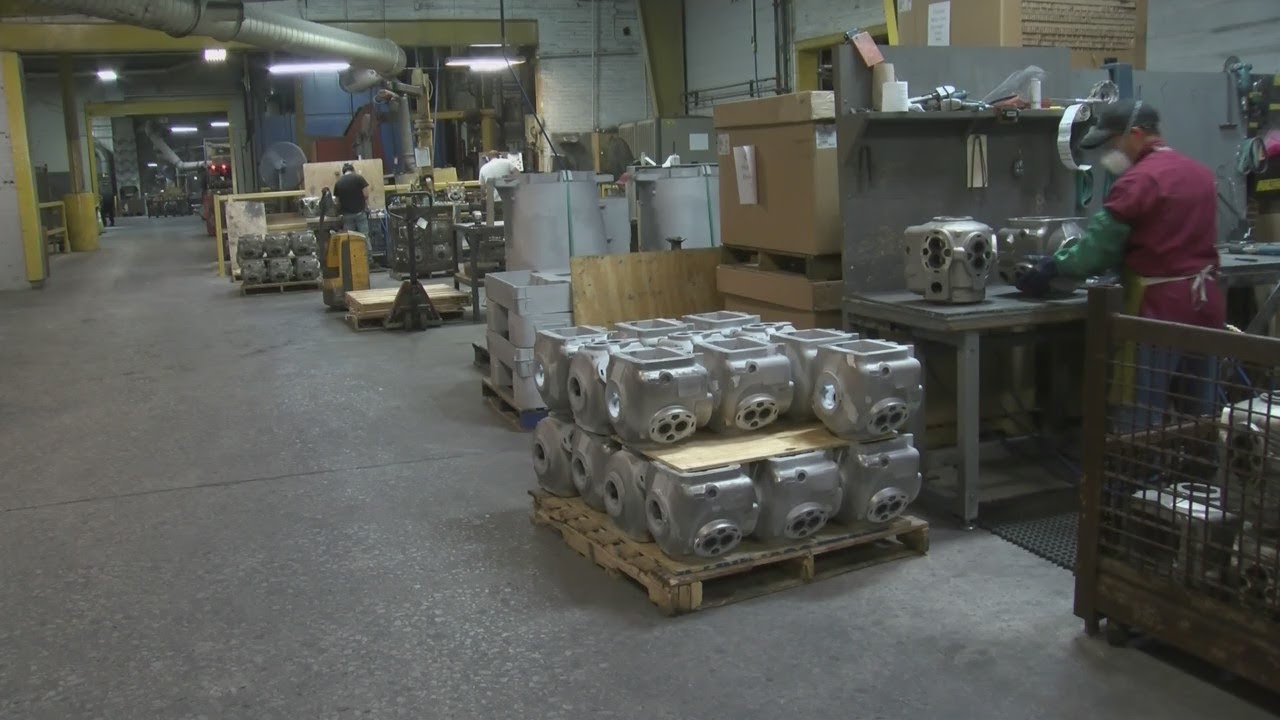
Additionally, the intro of 3D printing innovation has changed mold-making processes, enabling quick prototyping and lowered preparations. This modern technology helps with the development of detailed layouts that would certainly be difficult or hard to achieve with traditional methods.
Computer simulations and modeling have come to be important tools, allowing designers to forecast casting defects and optimize layouts before manufacturing. Such technologies minimize product waste and rise performance, standing for a significant leap onward in metal casting practices. Overall, these innovations have redefined the capacities of the market, driving it toward higher accuracy and efficiency.
The Future of Metal Casting: Sustainability and Advancements
As the steel casting industry looks toward the future, sustainability and technical innovations are poised to play essential functions in shaping its evolution. Boosting stress to reduce carbon footprints has brought about the adoption of eco-friendly methods, such as reusing scrap metal and using renewable resource sources in production processes. Innovations in products scientific research are also basics transforming the landscape, with the advancement of lighter, more powerful alloys that improve item performance while reducing waste.
Improvements in automation and digital innovations, including 3D printing and fabricated intelligence, are streamlining procedures, decreasing prices, and improving accuracy. These innovations enable extra efficient styles and faster prototyping, facilitating personalized remedies for diverse industries. As the sector embraces these changes, it will certainly not just enhance functional efficiency but also add to a more sustainable future, lining up with worldwide environmental objectives and customer needs for accountable manufacturing methods. The future of steel spreading is subsequently readied to be both ingenious and conscientious.
Regularly Asked Inquiries
What Are the Ecological Effects of Steel Casting Practices?
Exactly How Do Casting Flaws Affect Item High Quality and Safety?
Casting issues substantially endanger item top quality and security by introducing architectural weaknesses, causing prospective failures under anxiety. These imperfections can lead to costly recalls, lowered efficiency, and raised obligation for manufacturers if not addressed effectively.
What Credentials Are Needed for a Profession in Metal Casting?
A job in steel spreading generally requires a secondary school diploma, technological training in metallurgy or engineering, and experience in making procedures. Certifications in security and quality assurance further improve employment leads in this area.
How Does Steel Casting Add To Modern Manufacturing Processes?
Steel casting considerably boosts contemporary production by allowing the creation of complicated forms, lowering product waste, and permitting mass manufacturing (Aluminum Casting). Its flexibility and effectiveness streamline processes across numerous markets, driving advancement and financial growth
What Are the Expenses Associated With Steel Spreading Workflow?
The costs related to steel casting procedures include resources, labor, power intake, tools maintenance, and waste administration. These expenses can vary substantially based upon the complexity of the spreading procedure and production quantity.
The technique of metal spreading traces its roots to ancient people, where early craftsmens harnessed the residential or commercial properties of liquified metals to produce devices and ornamental things. These craftsmens mostly utilized copper and gold due to their malleability and reduced melting factors, utilizing strategies such as sand spreading and lost-wax casting. Sand spreading included creating a mold from sand, while lost-wax casting enabled for detailed styles by creating a wax design that thawed away during the process. Improvements in metal casting strategies led to the growth of bronze and iron casting, noting a substantial development in material use and innovation. While standard techniques of steel spreading have actually offered the sector for centuries, modern casting strategies have actually advanced significantly, offering enhanced accuracy and performance.
Comments on “Metal Foundry Methods That Shape the Standards of Modern Production”